Material and ink are the relationship between form and image, and are also the two elements commonly referred to by antique appraisal experts in calligraphy and painting appraisal. The material is' dead ', and the ink is' alive'. The former is easy to convey, while the latter is difficult to comprehend. The reason is simple. For things that are 'dead', as long as there is sufficient time and scientific analysis, ordinary people can accept them. But it cannot be ruled out that there are also people who are unable to understand. It is not time that can dissect the secrets of what is' alive '. Pen and ink require people to perceive with passion and understand with their brains. Of course, without a large amount of information and profound knowledge, it is impossible to achieve it. Everyone has different levels of knowledge and understanding, and their receptivity naturally varies.
Materials refer to things that are not created by calligraphers and painters. Specifically, it is divided into four parts: paper (silk) quality, ink color, pigment, and printing mud. On the surface, these four points do not have much theory. In fact, it is not the case, especially when identifying ancient calligraphy and painting works, the distinction of materials can directly make scientific judgments about certain counterfeits without going deep. For example, if a painting or calligraphy from the Ming Dynasty is found to have materials that are not old or new, there is no need to delve deeper into it. It should be noted that ancient people did not use things from later generations.
The material theory can be basically summarized as a definition: a little bit of falsehood is all falsehood, which means that if one point of the material is found to be false, it can be concluded that the entire work is false! As for the fragmented brushstrokes in calligraphy and painting works, they cannot be generalized and mixed together, and should be treated scientifically with a different approach! Although the materials may be fake at all, the authenticity of the materials does not necessarily mean the authenticity of the works. There is a huge amount of contemporary imitations, old paper and new works, etc. Only on the basis of affirming the materials can it be necessary to conduct in-depth research in appraisal.
It is worth adding that beginners may have some doubts about some counterfeits made from old paper, ink, pigments, and printing paste. In fact, this doubt is very naive, because ink, pigments, and printing paste can only show their ancient style after being used on paper for a long time after oxidation. The effect of using these old materials now is actually similar to that of new materials, and it is easy to distinguish. Except for contemporary imitations, any ready-made forgery is devoid of antiquity. In short, materials are the foundation of appraisal, and in the appraisal process, they should be treated rigorously and not underestimated.
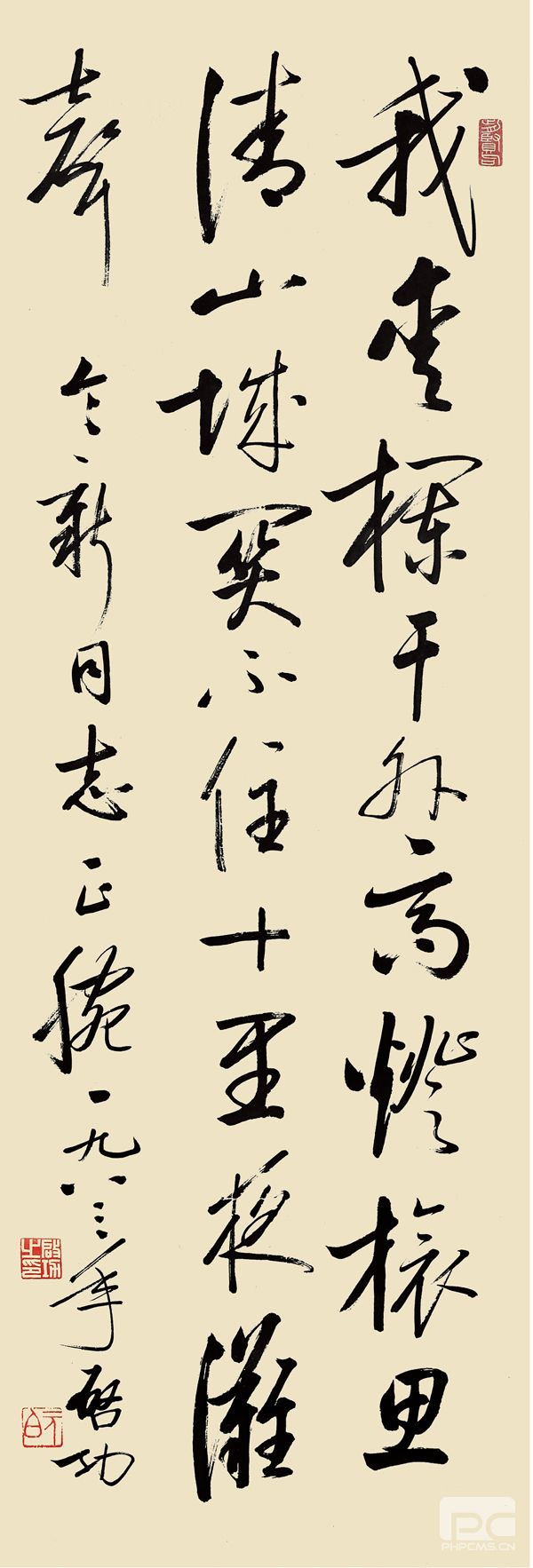
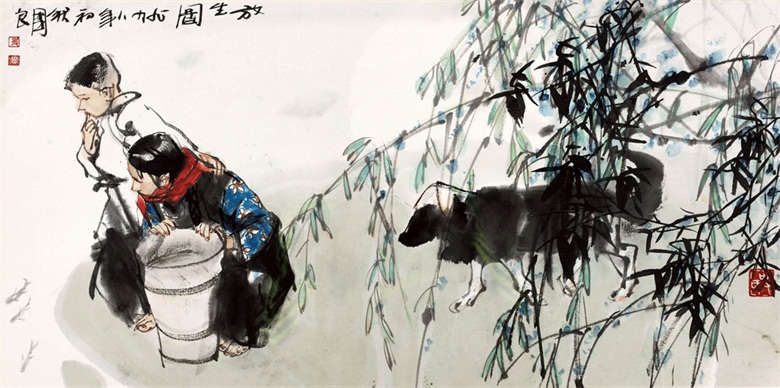
Pen and ink are the author's creative mood, and pen and ink are the language of expression in the work. Pen and ink can reflect the era atmosphere and personal style of calligraphy and painting. To identify a work, one must first familiarize oneself with the era atmosphere of the work, then understand the author's era of life and activity venues, and then study the author's different styles in different eras. Some of these knowledge are mastered, while others can be flexibly inferred. After all, Chinese calligraphy and painting has a long history, with many famous artists and a huge amount of surviving world, No appraiser can touch upon all aspects of Chinese calligraphy and painting.
The contemporary atmosphere of the work is a prerequisite for confirming the author's era of life and place of activity. We know that in the development history of Chinese calligraphy and painting, different schools of calligraphy and painting are active in the same era and different regions. Therefore, once you are familiar with the contemporary atmosphere of the work, you can deeply divide and study different schools in different regions, and the two are integrated before and after, thus achieving the purpose of identification. Pen and ink are the magic weapon for identifying the atmosphere of the calligraphy and painting era, and are also the necessary path for identification. Identifying the atmosphere of the calligraphy and painting era starts with pen and ink.
This article is dedicated to the acquisition of celebrity calligraphy and painting. For more information, please click http://m.tz998.com Sincere attitude. We will provide you with comprehensive services. We will gradually contribute more relevant knowledge to everyone. Stay tuned

 發(fā)布時間:2023-11-04
  作者:大雅堂美術(shù)館
  文章來源:http://m.tz998.com/
  瀏覽量:0
瀏覽量:0






 首頁
首頁 產(chǎn)品
 電話
電話 置頂
置頂